IV Oxygen Therapy California. I.V. oxygen therapy is a niche, largely experimental approach that aims to deliver extra oxygen directly into the bloodstream via an intravenous route, usually as part of a broader wellness or recovery program. In conventional medicine, oxygen therapy is still primarily delivered through the lungs (nasal cannula, mask, ventilator) or via hyperbaric oxygen chambers; direct intravenous oxygen remains an area of research and complementary practice, not a standard treatment in 2026.
Any decision to receive I.V. oxygen therapy should be made with a qualified medical professional who can explain what is known, what is still unproven, and how it fits with your medical history, medications, and goals.
What is I.V. Oxygen Therapy?
How does I.V. oxygen therapy differ from regular oxygen therapy?
Traditional oxygen therapy works by increasing the amount of oxygen you inhale so that your lungs can transfer more oxygen into your bloodstream. This can be done at normal pressure (standard oxygen therapy) or higher pressure in a specialized chamber (hyperbaric oxygen therapy).
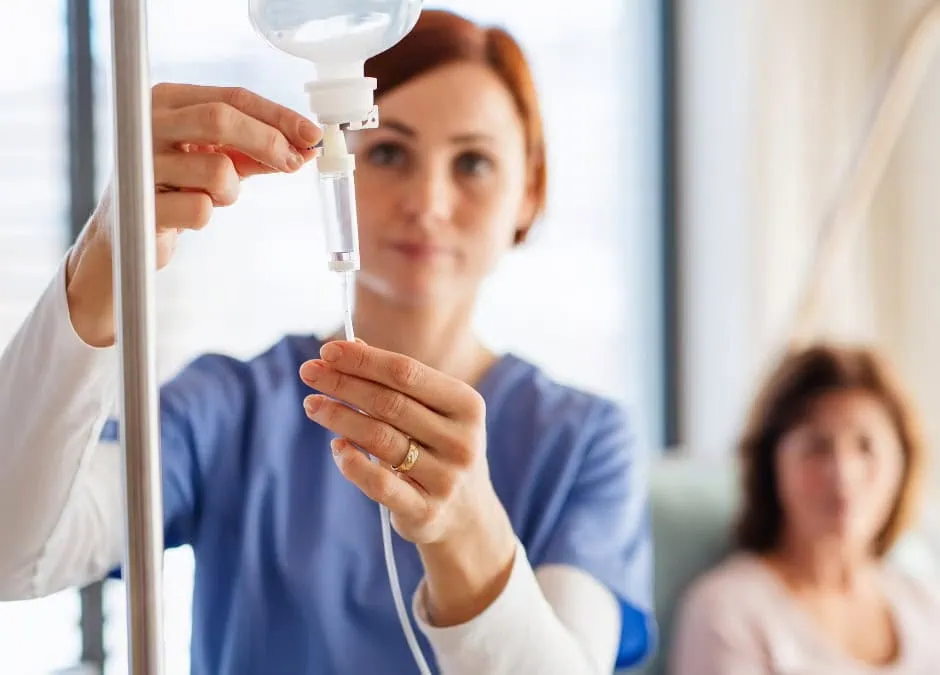
I.V. oxygen therapy, by contrast, refers to techniques that attempt to deliver oxygen directly into the bloodstream via an intravenous line, rather than relying solely on gas exchange in the lungs. In practice, what most wellness clinics call “I.V. oxygen therapy” falls into three broad categories:
- Standard IV drips plus supplemental oxygen
- Here, a patient receives an IV infusion (fluids, vitamins, electrolytes) while simultaneously receiving oxygen by nasal cannula or mask.
- The oxygen component is still delivered through the lungs; the IV is for hydration and nutrients, not for oxygen itself.
- Experimental intravenous oxygen carriers
- Researchers have been developing injectable carriers—such as microbubbles or specialized emulsions—that can transport oxygen directly in the bloodstream for emergency use when the lungs cannot adequately oxygenate the blood.
- Early animal and laboratory studies suggest that, when designed carefully, these carriers can temporarily raise blood oxygen levels and improve outcomes in severe hypoxemia and cardiac arrest models, but this work is still largely in research settings, not routine wellness clinics.
- Complementary or alternative “IV oxygen infusion” approaches
- Some complementary medicine practices use slow intravenous oxygen infusions or related methods, aiming to modulate inflammation or circulation.
- These approaches are not part of mainstream evidence-based guidelines and should be considered unproven and experimental.
When a wellness practice like a hydration clinic advertises I.V. oxygen therapy, it is often offering IV nutrient infusions plus either inhaled oxygen or a branded “oxygen supporting” protocol, rather than pure injectable oxygen gas. It is important to get clear, written information about what exactly is being infused and how it is expected to work.
I.V. Oxygen Therapy Benefits
What are the claimed benefits—and what does the evidence actually support?
Because “I.V. oxygen therapy” is an umbrella term and not a single standardized treatment, benefits depend heavily on the specific protocol:
1. Standard IV Therapy Combined with Oxygen
When a clinic combines IV nutrient therapy with inhaled oxygen:
- The IV component can:
- Rehydrate you more rapidly than oral fluids.
- Deliver vitamins and minerals directly into the bloodstream, bypassing digestive issues.
- Support energy metabolism, immune function, and recovery after illness, intense exercise, or travel—assuming the ingredients and doses are appropriate for you.
- The oxygen component can:
- Increase the amount of oxygen dissolved in the blood in people who are mildly oxygen deficient or under physical stress.
- Support wound healing and recovery in certain medically supervised settings, especially when used in the form of hyperbaric oxygen therapy.
In a wellness clinic, people often report short-term benefits such as improved energy, clearer thinking, and quicker recovery from fatigue or minor illness. These effects are likely due to a combination of hydration, nutrient repletion, and modest increases in oxygen availability, rather than intravenous oxygen itself.
2. Experimental Intravenous Oxygen Carriers (Research Setting)
In advanced research and critical care contexts, intravenous oxygen delivery is being studied as a way to:
- Rapidly raise blood oxygen levels in patients with severe hypoxemia (dangerously low oxygen) when traditional methods are not enough or not immediately available.
- Support circulation and organ function during events like cardiac arrest, severe respiratory failure, or transport between facilities, potentially buying time until definitive treatment can be provided.
Preclinical studies in animal models suggest such methods can improve survival and neurologic outcomes when used correctly, but they also highlight serious risks such as microvascular obstruction and oxygen toxicity if not carefully controlled. These techniques are not used as general wellness therapies; they are being developed for life-threatening emergencies in intensive care environments.
3. Complementary I.V. Oxygen Approaches
In complementary medicine, practitioners sometimes claim that I.V. oxygen therapy can:
- “Detoxify” the body
- Reduce chronic inflammation
- Improve chronic fatigue or long-term pain
- Enhance general wellness
However:
- High quality, large, controlled human trials supporting these broad claims are lacking.
- Some small or older studies suggest changes in certain inflammatory markers, but it is not clear how these translate into meaningful, long term health outcomes.
- Because injecting gas or gas-containing solutions into the bloodstream carries real risk if done improperly, these methods should be approached with caution.
In short, the strongest evidence for oxygen-based therapies is still for inhaled or hyperbaric oxygen in clearly defined medical conditions. I.V. oxygen concepts outside of that remain on the experimental or complementary side of the spectrum.
Safety and Considerations in 2026
Any therapy that involves IV access and altered oxygen delivery requires careful risk–benefit assessment.
Potential risks include:
- IV related complications:
- Infection at the insertion site
- Phlebitis (vein irritation)
- Bruising, infiltration, or, rarely, more serious complications
- Oxygen related risks:
- At very high levels or pressures, oxygen can contribute to oxidative stress and, in medical settings, lung or neurological toxicity if poorly managed.
- Direct injection of gas bubbles into veins, if not properly controlled and sized, can lead to dangerous emboli or microvascular issues.
Because of these risks:
- I.V. oxygen related treatments should be prescribed and supervised by licensed medical professionals familiar with current evidence and safety protocols.
- Patients with heart disease, lung disease, clotting disorders, or complex medical histories need especially careful evaluation before any oxygen focused therapy.
- You should always be told exactly what will be infused, in what dose, and for how long, and have the opportunity to ask about evidence, alternatives, and potential side effects.
Is I.V. Oxygen Therapy Right for You?
For most people:
- If you are acutely ill or significantly short of breath, emergency evaluation and standard medical oxygen support are the priority.
- If you are generally healthy and interested in “boosting” energy or wellness, hydration, nutrition, sleep, exercise, and targeted IV nutrient therapy—when appropriate—are likely to be more predictable and lower risk than experimental I.V. oxygen methods.
- If you have a specific diagnosis and are interested in advanced oxygen-based treatments, talk to a physician about evidence-based options such as hyperbaric oxygen therapy in approved indications.
Whenever you see “I.V. oxygen therapy” advertised, the most important step is to clarify:
- Exactly what is being delivered intravenously
- How the oxygen component is being administered
- What evidence supports the proposed benefits for your situation
Earlier Information from the Original Humble Hydration Post (Still Relevant)
Even as the field continues to evolve in 2026, several underlying points from the original Humble Hydration discussion remain important:
- Oxygen is fundamental to cellular energy production, and therapies that increase effective oxygen delivery can have powerful effects in carefully selected medical situations.
- IV based wellness treatments should focus on safe hydration and appropriately dosed nutrients, tailored to the individual, with clear explanations of what is FDA approved, what is off label, and what is primarily experiential.
- Any oxygen related or advanced IV therapy should be grounded in medical oversight, transparent about risks and benefits, and never presented as a cure all.
If you’re considering I.V. oxygen therapy in California or elsewhere, the safest path is to have a candid conversation with a clinician who understands both conventional oxygen therapy and the specific protocol being offered—so you can make a decision that is informed, realistic, and aligned with your health priorities in 2026.
Humble Hydration & Wellness is a Concierge IV Hydration service based in the Greater Sacramento, California area, with a physical location in Elk Grove. The business is positioned as a comprehensive wellness center, offering treatments that directly administer fluids, vitamins, and nutrients into the bloodstream to bypass the digestive system for maximum absorption. Their core service is IV Hydration Therapy, which includes a menu of specialized drips designed for various needs, such as Hangover (“Never Again”), Energy (“The Pick Me Up”), Beauty (“Goodlookin’”), Dehydration (“The Quencher”), and Immune Boosting (“Under The Weather”). Beyond IV therapy, Humble Hydration offers advanced aesthetic and wellness services like IM Injections, Red Light Therapy, Scented Oxygen Bar, Dermal Fillers, Neuromodulators, and Procell Microchanneling (an advanced form of microneedling). The clinic emphasizes professional care, with all infusions administered by experienced Registered Nurses, and they provide both in-studio appointments and on-the-go mobile services for corporate events, parties, and athletic gatherings across Sacramento, Elk Grove, Rancho Cordova, Galt, and Lodi.